

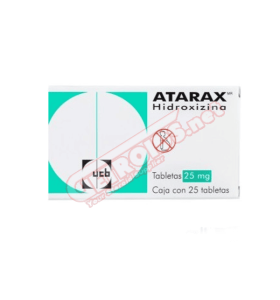
Atarax (Vistaril) 25 mg 30 Tablets UCB SA
- Brand: UCB SA
Shipping Details
More Information
| Product Features | |
| CLASSIFICATION | HISTAMINE (H1) BLOCKER |
| ACNE | NO |
| WATER RETENTION | NO |
| HBR | NO |
| HEPATOTOXICITY | NO |
| AROMATIZATION | NO |
| MANUFACTURER | UCBA |
| SUBSTANCE | Hydroxyzine , Hydrochloride |
Shipping
$35 flat rate
Payment Methods
Crypto, Venmo, Zelle, Credit Card, WU
Secure Shopping
Your data is protected with the highest security standards.
⚠️ WARNING: Health Risks of Anabolic Steroids
Anabolic steroids significantly impact the body and require professional supervision. Improper use may cause serious health risks including hormonal disruptions, liver stress, heart problems, and mental health changes. Always source steroids from reputable suppliers and use them responsibly if you choose to proceed.
Disclaimer: The following article is for informational and educational purposes only and does not constitute medical advice. Atarax (Vistaril) is a prescription medication. It should never be treated, sold, or used without the supervision of a licensed healthcare professional.
Atarax (Vistaril) 25 mg 30 Tablets (UCB SA)
If you are researching treatments for acute anxiety or severe allergic itching, you have likely come across Atarax 25 mg. Manufactured by the pharmaceutical company UCB SA (and also widely known by its brand name Vistaril), this medication is highly regarded for its dual-action relief. Below is a comprehensive, SEO-friendly guide breaking down what Atarax is, how it works, and what you need to know before taking it.
What is Atarax 25 mg?
Atarax 25 mg, available in packs of 30 tablets from UCB SA, contains the active ingredient hydroxyzine hydrochloride. Despite being used frequently for mental health and relaxation, it is not a benzodiazepine or a narcotic; it is actually a first-generation antihistamine. Because it crosses the blood-brain barrier effectively, it has potent sedative and calming properties, making it highly versatile in the medical field.
What is it Used For?
Doctors prescribe Atarax (hydroxyzine) to treat two primary, but very different, types of conditions:
Anxiety and Tension: It is used for the symptomatic relief of generalized anxiety and psychoneurosis. It acts quickly to calm the central nervous system during panic attacks or periods of high stress.
Pruritus (Severe Itching): As an antihistamine, it blocks histamine in the body, making it highly effective at treating severe itching caused by allergic conditions like chronic urticaria (hives) or contact dermatitis.
Pre/Post-Operative Sedation: It is sometimes used in clinical settings to calm patients before or after general anesthesia.
Who Should Use It?
Atarax 25 mg should be used by adults and children (in appropriate, doctor-adjusted doses) who have been medically evaluated and prescribed the drug for short-term anxiety management or severe, persistent itching that does not respond to standard over-the-counter allergy medicines (like Claritin or Zyrtec). It is an excellent option for patients who need anxiety relief but want to avoid the addiction risks associated with benzodiazepines (like Xanax).
Who Should Not Use It?
Atarax is generally safe, but it is strictly contraindicated for certain individuals. It should not be used by:
Pregnant Women: Especially in the first trimester, as it can cause harm to the fetus.
Nursing Mothers: The drug can pass into breast milk and cause adverse effects in infants.
Patients with Heart Conditions: Specifically, those with a prolonged QT interval, as hydroxyzine can cause dangerous heart rhythm abnormalities.
Elderly Patients (Use with Caution): Older adults are highly sensitive to the anticholinergic effects (confusion, severe dry mouth, urinary retention) and sedation.
What is the Best Combination? (Clinical Synergies)
Note: Always consult a physician before combining prescription medications.
For Anxiety: Atarax is often used as a "bridge" or rescue medication alongside long-term daily treatments like SSRIs (e.g., Lexapro, Prozac) or cognitive behavioral therapy (CBT).
For Skin Allergies: It works synergistically with topical treatments, such as hydrocortisone creams, calamine lotion, or specialized sensitive-skin moisturizers to heal the skin barrier from the outside while Atarax stops the itch from the inside.
Dangerous Combinations to Avoid: Because Atarax is a central nervous system depressant, it must never be combined with alcohol, benzodiazepines, opioids, or sleep aids like Ambien. This can cause fatal respiratory depression.
What Are the Side Effects?
Because it is a first-generation antihistamine, Atarax 25 mg frequently causes noticeable side effects, most commonly related to its anticholinergic properties.
Common side effects include:
Significant drowsiness or sleepiness (especially when first starting)
Dry mouth, throat, or eyes
Headache
Dizziness or sluggishness
Rare but serious side effects:
Rapid or pounding heartbeat
Confusion or hallucinations (usually at very high doses)
Difficulty urinating
Frequently Asked Questions (FAQ)
1. Is Atarax (hydroxyzine) addictive?
No. Unlike benzodiazepines (such as Xanax or Valium), Atarax is not habit-forming and does not carry a risk of physical dependency or addiction. This is why doctors frequently prefer it as a first-line treatment for acute anxiety.
2. How long does it take for Atarax 25 mg to work?
Atarax is fast-acting. For both anxiety relief and itching, patients typically begin to feel the effects within 15 to 30 minutes of taking the tablet, with peak effects occurring within 2 hours.
3. Does Atarax cause weight gain?
Unlike many psychiatric medications (such as SSRIs or antipsychotics), Atarax is not typically associated with long-term weight gain. However, because it causes lethargy and fatigue, reduced physical activity while taking it could indirectly affect your weight.